





Everything to Know about Dubai's Perseids Meteor Shower in August
The Perseid meteor shower may have passed its peak, but shooting stars will still be visible over Dubai on August 16th. Here's everything you need to know before heading out to watch.

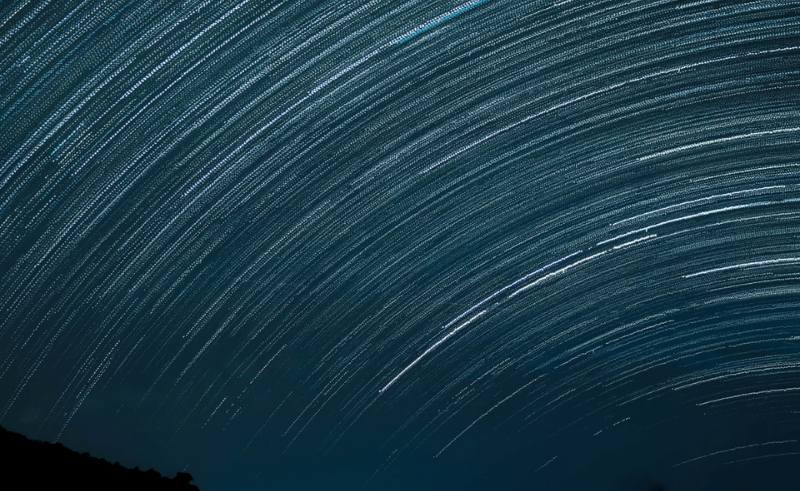
The Perseid meteor shower may have reached its annual peak earlier this week, but the celestial display is far from over.
On Saturday, August 16th, residents across Dubai will still have the chance to spot shooting stars as the Perseids continue to streak across the night sky. Although meteor rates will be lower than during the shower's peak on August 12th to 13th, the event remains one of the year's most reliable stargazing opportunities.
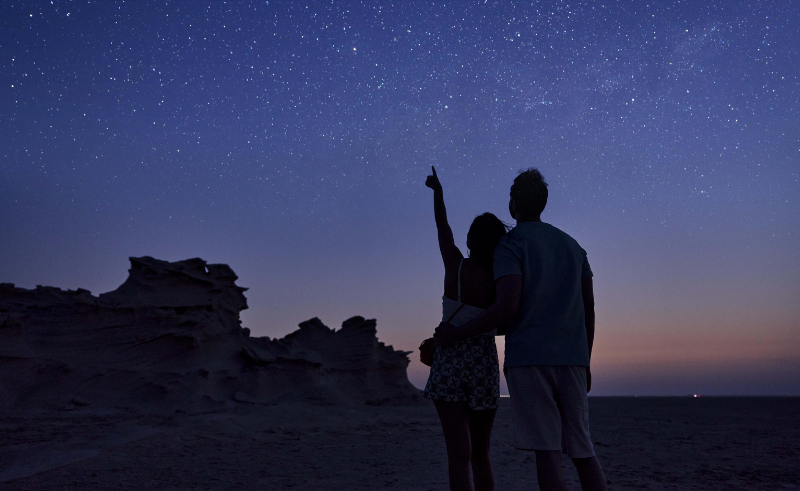 The Perseids occur every year as Earth passes through a stream of dust and rocky debris left behind by Comet Swift-Tuttle. As these particles enter Earth's atmosphere at speeds of nearly 60 kilometres per second, they burn up, creating the bright flashes commonly known as meteors or shooting stars.
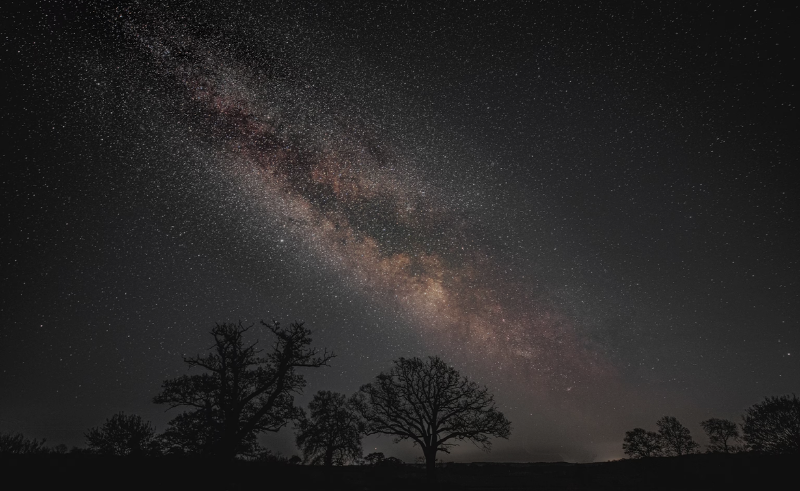 When is the best time to watch?
The best viewing conditions come after midnight and before dawn, when the side of Earth facing the meteor stream rotates into position. Stargazers should allow around 20 minutes for their eyes to adjust to the darkness and avoid checking phones or other bright screens during that time.
Will you need any equipment?
No. The Perseids are best viewed with the naked eye.
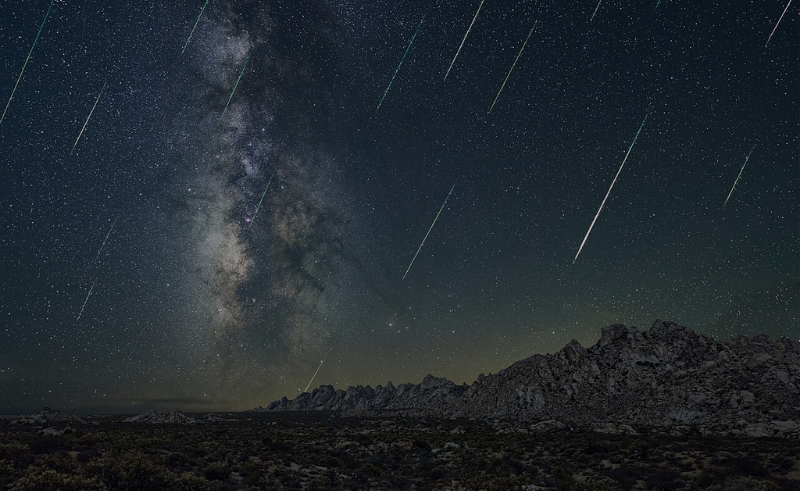 Rather than using telescopes or binoculars, find an open area with an unobstructed view of the sky and scan a wide section overhead. Meteors can appear anywhere, making a broad field of view more useful than magnification.
Where should you go?
Escaping city lights will significantly improve visibility.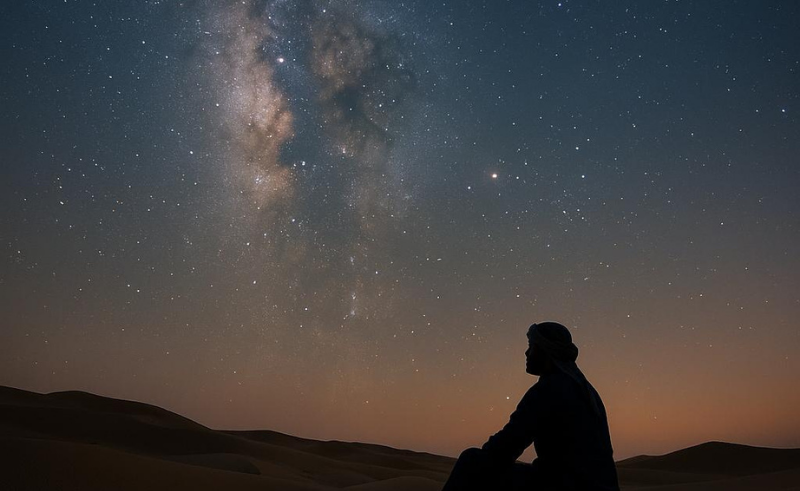 Popular stargazing locations in the UAE include Hatta, Al Quaa Milky Way Spot near Abu Dhabi and Shuweihat Island, all known for their relatively dark skies. Those staying in Dubai can also improve their chances by heading to quieter desert areas away from the city's brightest districts.
Is it still worth watching after the peak?
Yes.
While the highest meteor rates occurred on August 12th to 13th, the Perseids remain active until August 24th, meaning observers can still expect to see shooting stars on August 16th if skies are clear. This year's display also benefits from relatively dark moonlight conditions, making fainter meteors easier to spot.
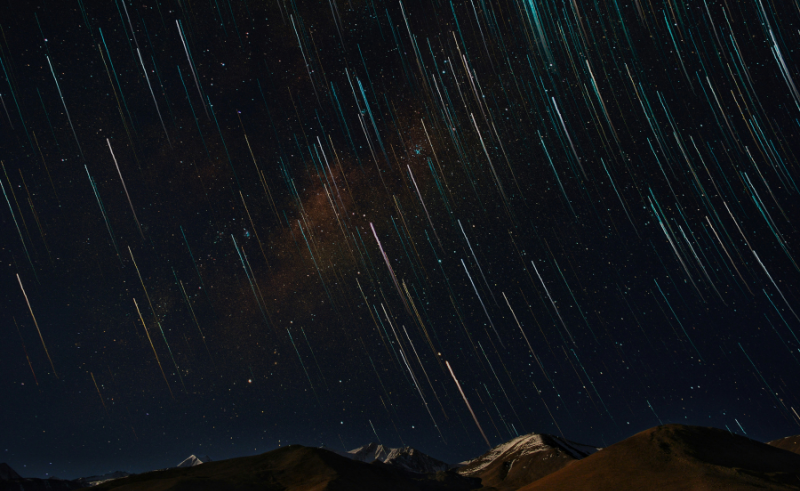 For anyone hoping to catch one of the year's best astronomical events, all that's required is a clear sky, a dark location and a little patience.
- Previous Article SceneNoise x Amsterdam Dance Event Present CROSSFADE: Egypt
- Next Article The Intricate Beauty of Ben Youssef Madrasa