






WAHA: The Recording Studio Cairo's Young Artists Have Been Waiting For
With 24/7 access, flexible pricing, and a blank-canvas ethos, WAHA is reshaping how Cairo’s young artists make and share music, offering space that grows with the community using it.

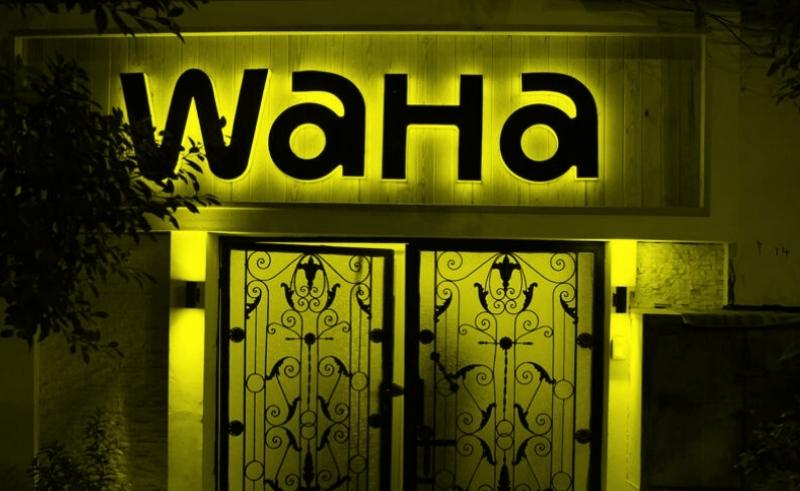
For decades, Egypt’s music ecosystem has been a paradox – a culture overflowing with talent but lacking accessible infrastructure to support it. Recording a demo once meant a year’s worth of saving, and spaces were impossible to book. Born from the frustration of a generation shut out of proper infrastructure, the founders Mostafa Zaghloul, Paolo Cicilioni, Ahmed Khalil, and Gabe Zimbler are on a mission to break Egypt’s sonic glass ceiling by making music spaces affordable and crucially, communal.
At its core, WAHA is an eight-room production hub tucked in the streets of Maadi built to make music creation affordable and open to everyone. With hourly rentals starting at 300 EGP, bring-your-own-gear flexibility, and a community-first ethos, the space is designed as a platform catering to young artists who can finally claim the resources they’ve been searching for.
For co-founder Zaghloul, the project is deeply personal. Growing up in Cairo, he remembers how inaccessible studios were. “When I was a kid playing in bands in Cairo, getting a rehearsal space was super easy and cheap, but when it came to recording, it was almost impossible. You’d have everyone save up for almost a year for us to record just one demo. And then you’d get paired up with an engineer that you don't know, it's such a hassle, it's so expensive, and you don't even like what you get at the end of the day.”
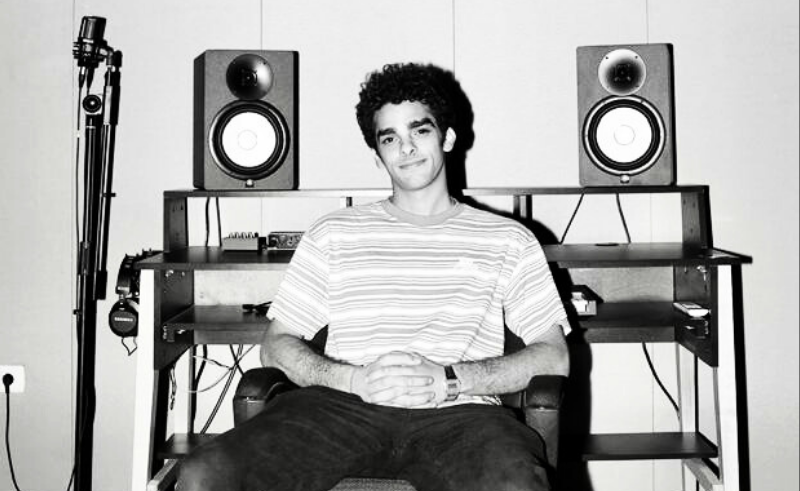
Frustrated by Egypt’s lack of infrastructure for young musicians, Zaghloul set out to teach himself everything he couldn’t access at home. He studied audio engineering in the U.S., landing a role as Studio Manager at New York’s legendary Quad Studios, before diving deeper into the technical side as an electrical engineer. That path eventually led him to open his own space in Brooklyn, Temple Sound Studios, which has since hosted some of the region’s hottest voices – from Saint Levant to Shouly.
Yet even after years of successfully running studios abroad, a part of Zaghloul still felt unfinished. “We gotta bring this home. We gotta give it back to the people. I feel like I had to go through so many hoops just to learn how to record myself or have a space available to produce. That's why we built this spot, I just wanna give the kids the opportunity that I feel like I didn't have.”
This lack of access was something Sara Elmessiry, who many know as musician Felukah, felt just as strongly. She recalls, “It was usually boys’ houses, and my parents wouldn’t let me go for safety reasons.” This scarcity of safe, reliable studios made pursuing music far more complicated than it should have been and ultimately pushed her to co-found WAHA.
That vision resonated deeply with co-founder Paolo Cicilioni, a music producer and managing partner at Abu Recordings who has felt the same gap while cultivating artists on the ground in Cairo. For him, WAHA is as much about giving back as it is about building forward. “Cairo has been extremely kind to us, and we noticed there’s always been this one thing missing: being able to book a studio quickly and get the artists there. It’s something we always wished we had for our artists, and now we want it to exist for all artists.”
So what does WAHA actually offer? Open 24/7, the space features eight fully sound-treated rooms: seven recording studios that range from solo booths to larger spaces for up to eight people, plus a dedicated DJ practice room. Each room comes with the essentials – monitors, a MIDI keyboard, a microphone, and headphones – but the real shift is in how the space is used. Reflecting how the recording world has changed, instead of being locked into someone else’s setup, artists bring their own laptops and software, plugging straight into the system to work with the plug-ins and workflows they already know. As Zaghloul puts it, “you don’t need a fancy studio anymore, just a space where nobody’s going to bother you and the sound is clean,” he says, noting how Cairo’s honks and street noise can wreck even the best bedroom-take. WAHA offers that baseline: quiet, professional rooms that are affordable enough to experiment in, yet serious enough to grow with. “It’s not for everyone, I don’t expect Hamdi Diab to show up here, but for younger, aspiring artists, this is the perfect place to start.”
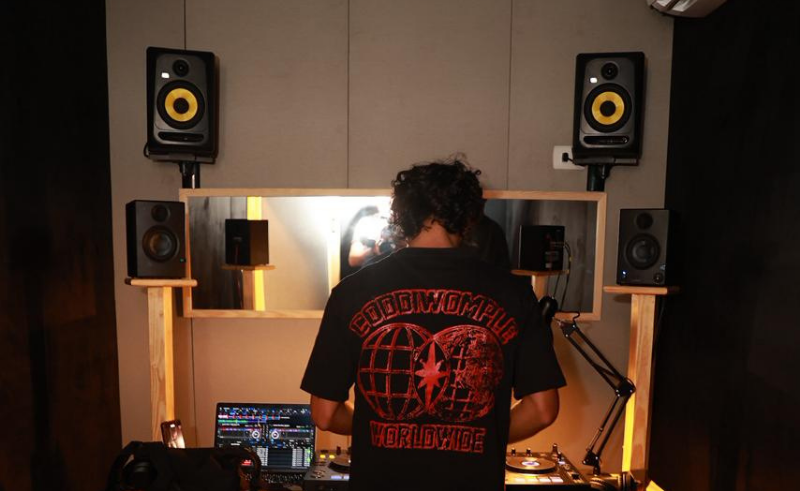
At a starting rate of 300 EGP an hour – a fraction of Cairo’s typical rates – the barrier to entry drops dramatically. Booking is simple: make an account, upload your ID, reserve a slot online on their upcoming website, and pick up the keys when you arrive. No gatekeepers, no closed doors, just you, your gear, and the freedom to create.
Beyond the studios, WAHA is also designed as a place to foster a musical community. The team plans beginner and advanced classes, from DJing to production, alongside workshops and a mix series with local DJs. An online bulletin board will let artists connect, post opportunities, and build collaborations. “I think music is all about synergy with others, you build off that. I just want young creatives to have the space that I wish I had as a young creative. That was the whole idea of building this” shares Zaghloul.
On launch night, the space felt almost unfinished in the best way – concrete floors, bare walls, and clusters of friends and family drifting from room to room, testing the monitors, tapping on the glass of the vocal booths. The mood wasn’t glossy; it was communal, like everyone was being invited to sketch their own idea of what the place could become. As Cicilioni put it, “It’s a blank canvas for people to come here and use as they wish.” As WAHA grows, the plan is to expand with its users – adding rental gear, testing new setups, and responding to what the community itself asks for.
Building WAHA wasn’t easy. In fact, they had to do it twice. The first space was nearly finished when the district shut it down, forcing them to tear everything apart and start again from scratch. Most people would have walked away, but for Zaghloul and Cicilioni, the project was too personal to abandon.
Because at the core, this isn’t just about business plans or studio specs – it’s about two kids who fell in love with music and never shook it off. Cicilioni still slips into the rooms after-hours to play for himself, and Zaghloul shows his family around, explaining how, as a teenager, he would have gone crazy to have access to this space.
Created as a stepping stone for emerging voices of Cairo, WAHA is less about chasing a certain sound and more about lowering the barrier of entry. It’s an experiment in levelling the playing field – and maybe, just maybe, reprogramming the ecosystem itself.
To book a session and find out more information via WAHA's official website. Here.