





Saudi Red Sea Authority Launches Guide to Spotting Marine Wildlife
The new guide reveals the best times and locations to spot dolphins, whale sharks, manta rays and sea turtles along the Red Sea.

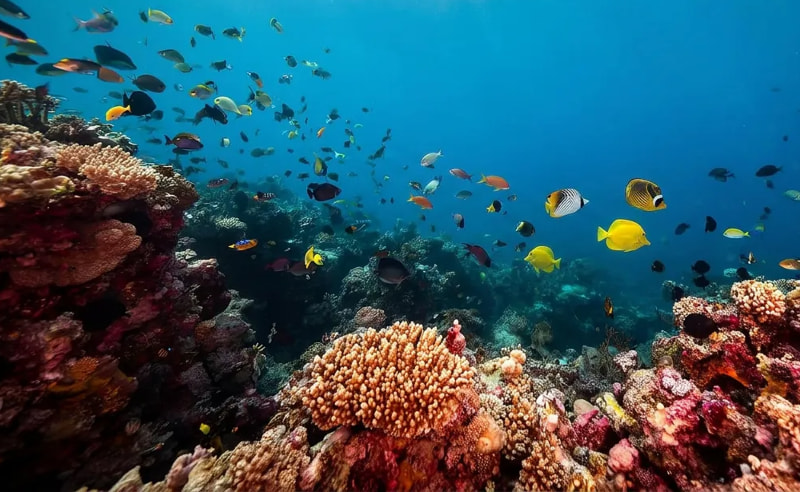
The Saudi Red Sea Authority has launched the Kingdom's first seasonal marine wildlife viewing guide, helping visitors discover when and where to spot dolphins, whale sharks, manta rays and sea turtles along Saudi Arabia's Red Sea coast.
Developed in collaboration with the National Center for Wildlife and the General Organization for the Conservation of Coral Reefs and Turtles in the Red Sea, the guide forms part of the Friends of the Red Sea initiative. It provides seasonal sighting information alongside recommendations for observing marine animals without disturbing their habitats.
According to the guide, dolphins can be spotted year-round in destinations including Neom, Al-Wajh, Umluj, Yanbu, Jeddah and the Farasan Islands Reserve. Halavi guitarfish can also be seen throughout the year in Al-Wajh.
For larger marine species, whale shark sightings are most common between February and May around Al-Lith and the southern Red Sea coast. Manta rays are most frequently seen from April to August in Yanbu, Umluj and Al-Lith, while hammerhead sharks are most likely to appear in February and March around Yanbu and the Blue Holes Reserve.
Visitors hoping to spot Bryde's whales have the best chance in August, in waters west and southwest of the Farasan Islands Reserve.
The guide also highlights sea turtle nesting seasons. Green turtles typically nest between April and July, with hatchlings emerging from June to September. Hawksbill turtles can be seen from May to July, including around the Farasan Islands.
According to the National Center for Wildlife, Saudi Arabia's Red Sea waters are home to 12 species of dolphins and small whales. In 2025, the centre documented 1,060 large marine animals in the Red Sea.
Related Articles


Trending This Week
-
 Nov 22, 2026
-

-

-