






Jeddah Culture Square Reimagines the City’s Historic Waterfront
Jeddah Culture Square by Urko Sánchez Architects brings the Red Sea International Film Festival and teamLab Borderless Jeddah Art Museum to Al Arbaeen Lagoon.

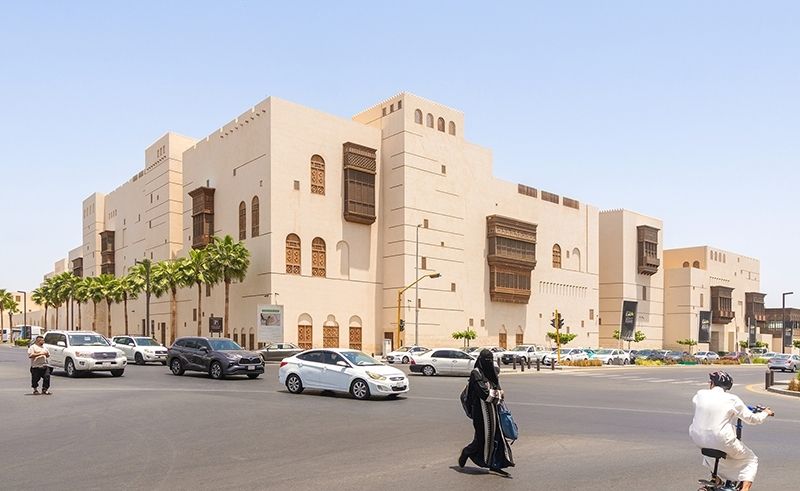
Throughout Saudi Arabia's evolving cityscapes, cultural projects increasingly shape how urban spaces reclaim their waterfronts, redefining public life through architecture. Jeddah Culture Square by Urko Sánchez Architects accomplishes this by occupying the northern edge of Al Arbaeen Lagoon as part of the Historic Jeddah Waterfront Regeneration Initiative, facing Al-Balad, the city’s UNESCO-listed historic centre. The project forms part of a wider vision to integrate sustainable urban infrastructure, including pedestrian-focused pathways, native landscaping, and ecological interventions along the lagoon’s edge.
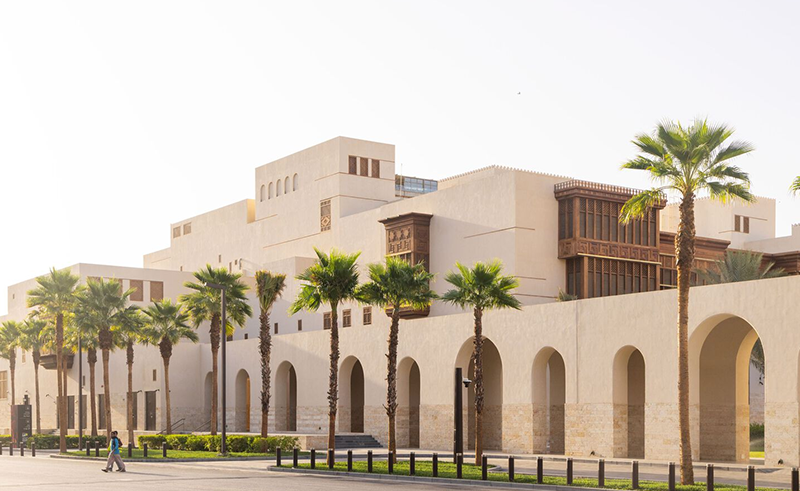
The project anchors a new public promenade and is organised around two buildings set directly at the water’s edge: the Red Sea International Film Festival and the teamLab Borderless Jeddah Art Museum. Both buildings feature adaptable interior layouts to accommodate temporary exhibitions, screenings, and public programmes, allowing the architecture to support a dynamic cultural calendar.
The square unfolds as a continuous public landscape. The promenade passes through open plazas, shaded routes, and reflective pools, guiding movement while accommodating gatherings of different scales. Public access along the lagoon remains uninterrupted, reinforcing the waterfront as a civic spine. Integrated seating, small amphitheatres, and water-edge platforms encourage informal social interaction, while strategically placed lighting enhances safety and ambience after dark.
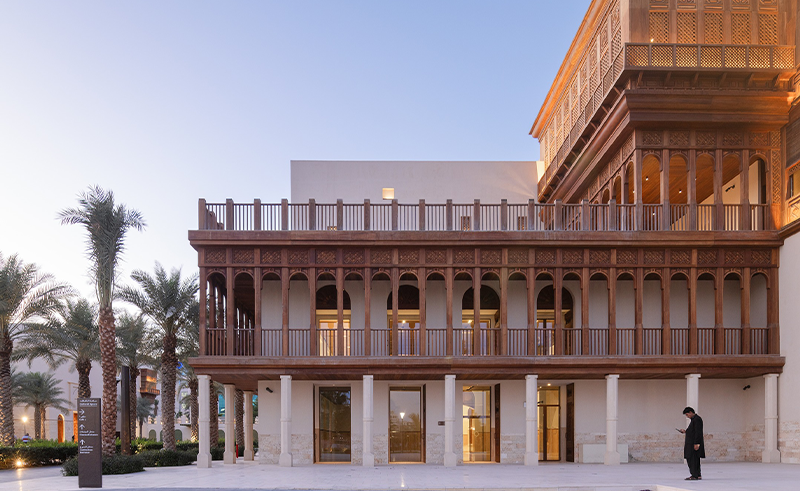
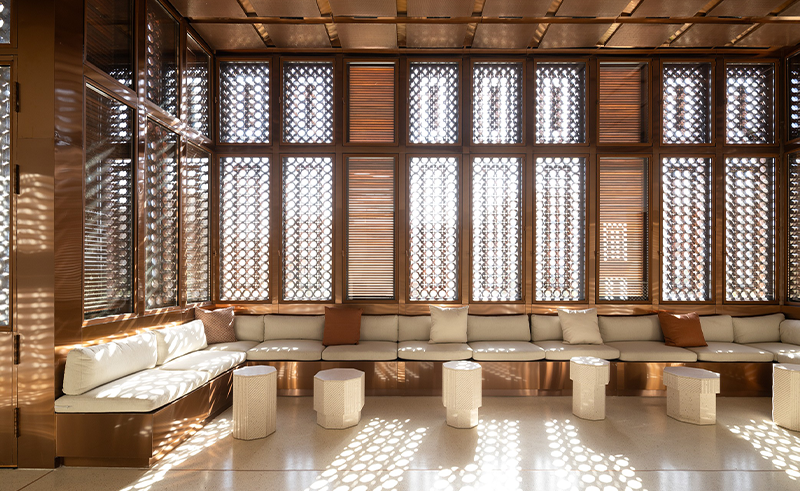
Jeddah’s architectural traditions inform the project, particularly the roshan. The logic of the wooden lattice screen is translated into an architectural system that shapes façades and interior organisation, embedding local references within the structure of the buildings. The patterning of the roshan also mediates views and ventilation, creating microclimates in exterior walkways and interior spaces.
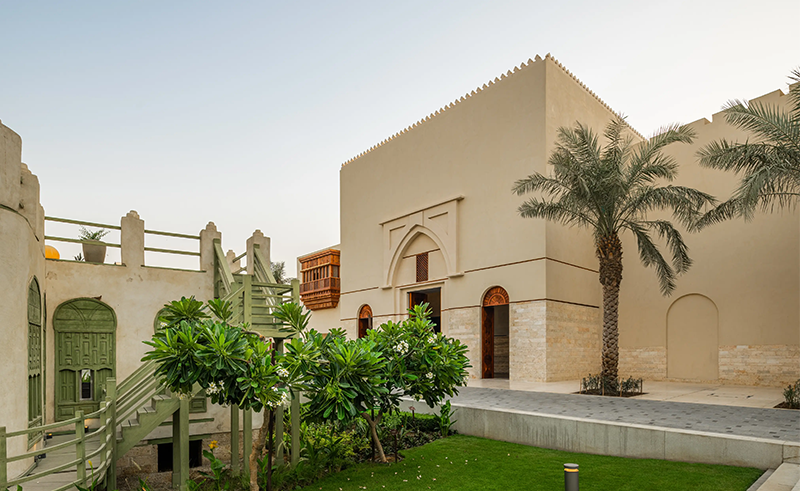
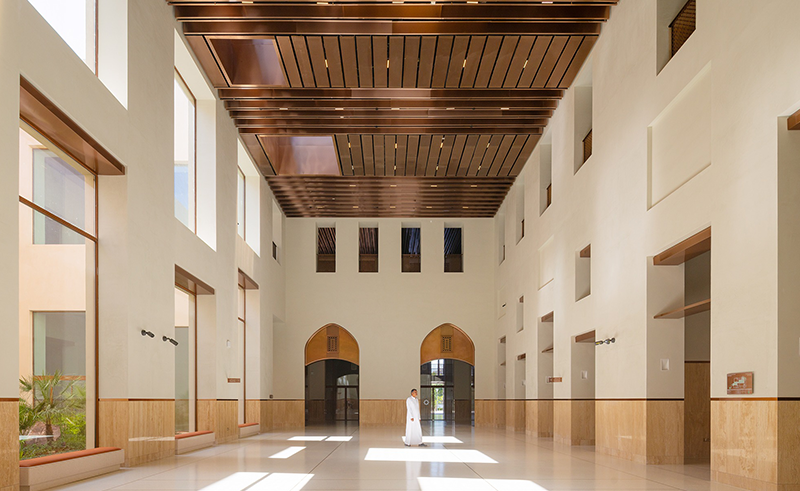
Inside, the roshan appears in copper, catching natural light to produce shifting tones as the day progresses. The material introduces warmth while remaining precise and controlled, carrying craft traditions into a contemporary context. Interior surfaces are paired with neutral stone and polished concrete, creating a calm backdrop that accentuates the copper’s reflective quality.
Externally, the façades balance solidity and openness through layered compositions that echo the depth and rhythm of Jeddah’s historic architecture. Handcrafted wood meets advanced fabrication techniques, creating surfaces that register shadow, scale, and proportion without pastiche. Roof terraces and overhangs provide shaded outdoor spaces, extending the public realm vertically and offering panoramic views of the lagoon and the historic city.
- Previous Article Halfpipes Under Siege: The Skateboarding Scene in Gaza & the West Bank
- Next Article Inside Egypt’s Seven UNESCO World Heritage Sites
Related Articles


Trending This Week
-
 Mar 30, 2026
 -
-
-