






How Sammy Sheik Fought the Arab ‘Bad Guy’ Trope in Hollywood
Twenty-two years into his acting career, the Egyptian who renegotiated the rules of Hollywood’s Arab villains returns home.
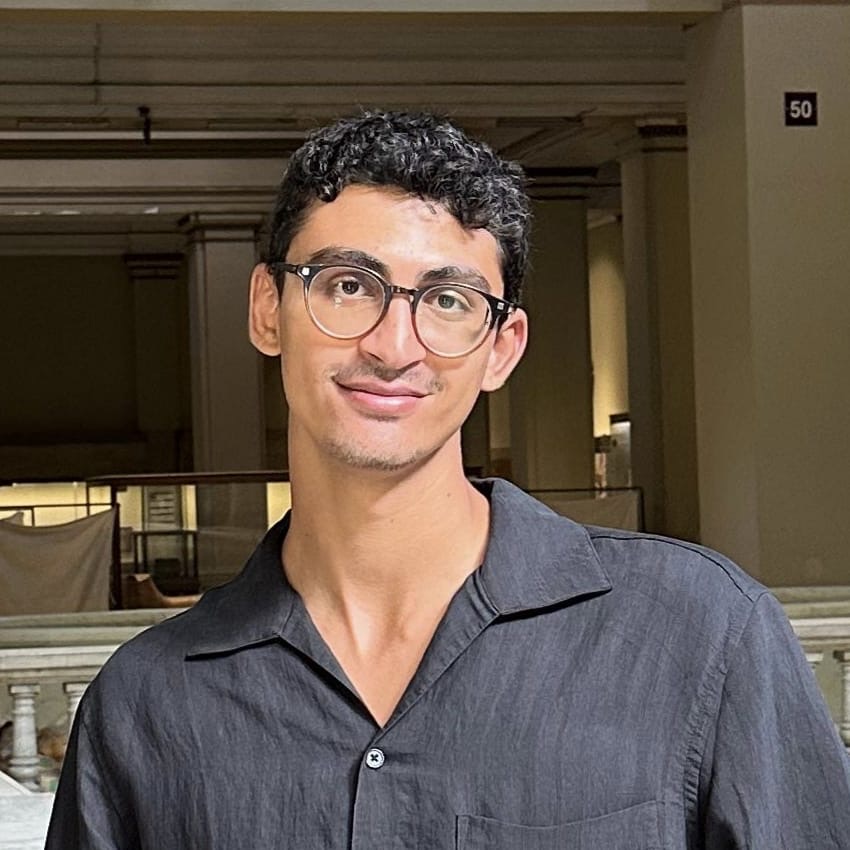
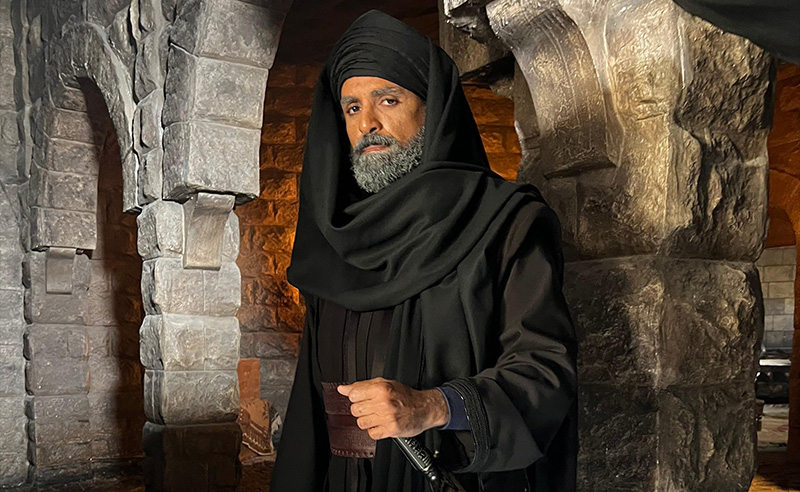
Landing in Hollywood only a few years after 9/11, Sammy Sheik encountered a double-edged sword: there were plenty of open roles for Arabs like him, but they were always the bad guys, and almost always poorly written. With time, however, and roles in blockbusters like 'American Sniper', 'Lone Survivor', 'The Blacklist' and 'Homeland', Sheik has both embraced being the villain and challenged its stereotypical Hollywood foundations.
Now that he’s returned to Egypt and has taken on new roles in local films and series, including the upcoming drama 'Al Ameer' starring Ahmed Ezz and Amina Khalil, we took the opportunity to sit down with Sheik and discuss the differences between Hollywood and the Egyptian film industry, about being typecast as the Arab villain, and about how good things can come from saying no.-c958bebf-2efa-4ba6-8203-c6d7f79c7ea7.png) A school play Sheik performed in aged 10, playing the role of an ancient Egyptian priest.
A school play Sheik performed in aged 10, playing the role of an ancient Egyptian priest.
How did you get your start in the industry?
When I started in 2004-2005, Hollywood was going through a period where they were switching villains. During the Vietnam War in the 70s, the villains were Vietnamese. Then they switched to Russians, and then to South Africans and Iranians, depending on the political sphere.
When I started, there was a lot of Arab bad guy roles, and the people playing them were usually Mexicans or Indians. So, when I got to Hollywood, there were plenty of roles. They were very badly written, but still, it was a very lucky opportunity for me to enter the industry.
So, you were being typecast?
Everyone’s first step into Hollywood is usually a typecast. Asians played doctors and nurses, Black guys played gangsters, someone who looks like a nerd plays a nerd, and a jock plays a jock. If you’re starting out as an actor in Hollywood, your first foot in the door is always a stereotype. But what you do after the door is opened is up to you.
In my second year of auditions, I was standing in front of Steven Spielberg. Actors could spend years and never even have a chance to meet Spielberg’s casting director, so of course it was a lucky opportunity to enter offices most actors didn’t have access to.
How did you feel when playing these roles, for example, in a film like 'American Sniper'? Many people had mixed feelings about its depiction of Iraq and Arabs.
There are two points to this. First, 'American Sniper' is an anti-hero war film. The main character, played by Bradley Cooper, begins as a hero and ends up completely broken. People assume this film glamorises war, but it does not. It’s completely anti-war.
The second point is that the characters I play, Western media calls them terrorists but that’s because they’re the occupiers. For me, playing a character like Juba in 'American Sniper' [the Iraqi sniper who is ultimately killed by the main protagonist], he’s a hero, a freedom fighter. I’m playing a person resisting occupation.
But I don’t do these films if it’s in a context that glamorises occupation. The film itself has to be critical of war, or occupation in general. If it’s only showing one side, I won’t do it.
When did you start turning down these roles?
After three or four years in the industry. This is unheard of in Hollywood. You’re supposed to work, work, work.
When they would ask me why I was saying no, I would list my reasons. For example, the character is very stereotypical, so I’m not going to do it. Then sometimes they’d say, okay, can you add something to this character? So, you sit with the writers and work on it.
Before that time, you would never see Arab doctors or business executives on screen. Over the years me and a few other actors started changing the Arab characters you see in Hollywood and shifting that stereotype.
Can you share an example of this?
'Homeland' was a role I initially turned down, and this was when 'Homeland' was at its peak and very popular. I didn’t like the role. Then they came back to me and changed the role into a community leader who’s defending his community from being infiltrated by the FBI, which I felt was very powerful. They understood what I wanted.
But now, 22 years into your acting career, you’ve decided to return to Egypt. When did you decide to move back? I didn’t decide, it just happened. I’ve been based here for the last couple of years. I still keep a home in LA, but for now I like the roles I’m getting here in Egypt, and the nature of the work. I’m starting to know who to work with and who to avoid.
I’ve also always been back and forth between Egypt and the US. I did 'Hekayat Banat' in 2012, and 'Masrycany' in 2018 which was like 'My Big Fat Greek Wedding', but Egyptian.
What differences have you noticed between Hollywood and the industry here?
I feel here I have more freedom for creative input. Hollywood is a really, really big machine. If you want to change a line in a scene you have to go through the director, then the writer, then the producer, then the studio, then the distributor—just to change a line. In Egypt you have a lot more input into the role and the character arc.
There’s also more flexibility here, but that means things are also less structured. Schedules here are very up in the air. You can start a project and never know when it will finish. In general, however, Egypt’s just a lot more fun and easy-going.
What’s your favourite role been?
If I look back over the 22 years I’ve been acting, El Hashashin is my favourite role. It requires a certain taste.
In the past couple of years, you’ve played Lieutenant Iyad Tawfik in 'Safha Beida' and Youssef Adly Thabet in 'El Fransawy', who was a very psychotic kind of villain. How do you feel about playing the bad guy so often?
I love it to be honest. Villains are the most interesting characters in any project, because they’re the obstacle stopping the hero. It’s a lot more fun playing the obstacle than the person who wants to achieve something. For an actor, it’s also a much deeper dive. You have to ask yourself: why is this person this way? Creatively, it’s more fulfilling.
Finally, your upcoming project is the series, ‘Al Ameer’, starring Ahmed Ezz. Can you tell us a bit about it, and about your character?
I’m not sure how much I’m allowed to say, but my character is an intelligence officer who’s trying to stop an attack. He’s a good guy, for once. He’s maybe the one good guy in the show, but he does have his own baggage. It’s a bit like 'Jason Bourne', but very well written.
- Previous Article Title 2026
- Next Article Sahel Bites Back 2026: SceneEats’ Definitive List of Sahel’s Best Spot
Related Articles

Trending This Week
-

-

-

-
 Jul 23, 2026