




Saudi Arabia’s First Opera Singer Wants More Than a Standing Ovation
Saudi opera singer Sawsan Albahiti grew up between Pavarotti and Metallica. Now she’s blending opera with rock while helping build the Kingdom’s opera scene.
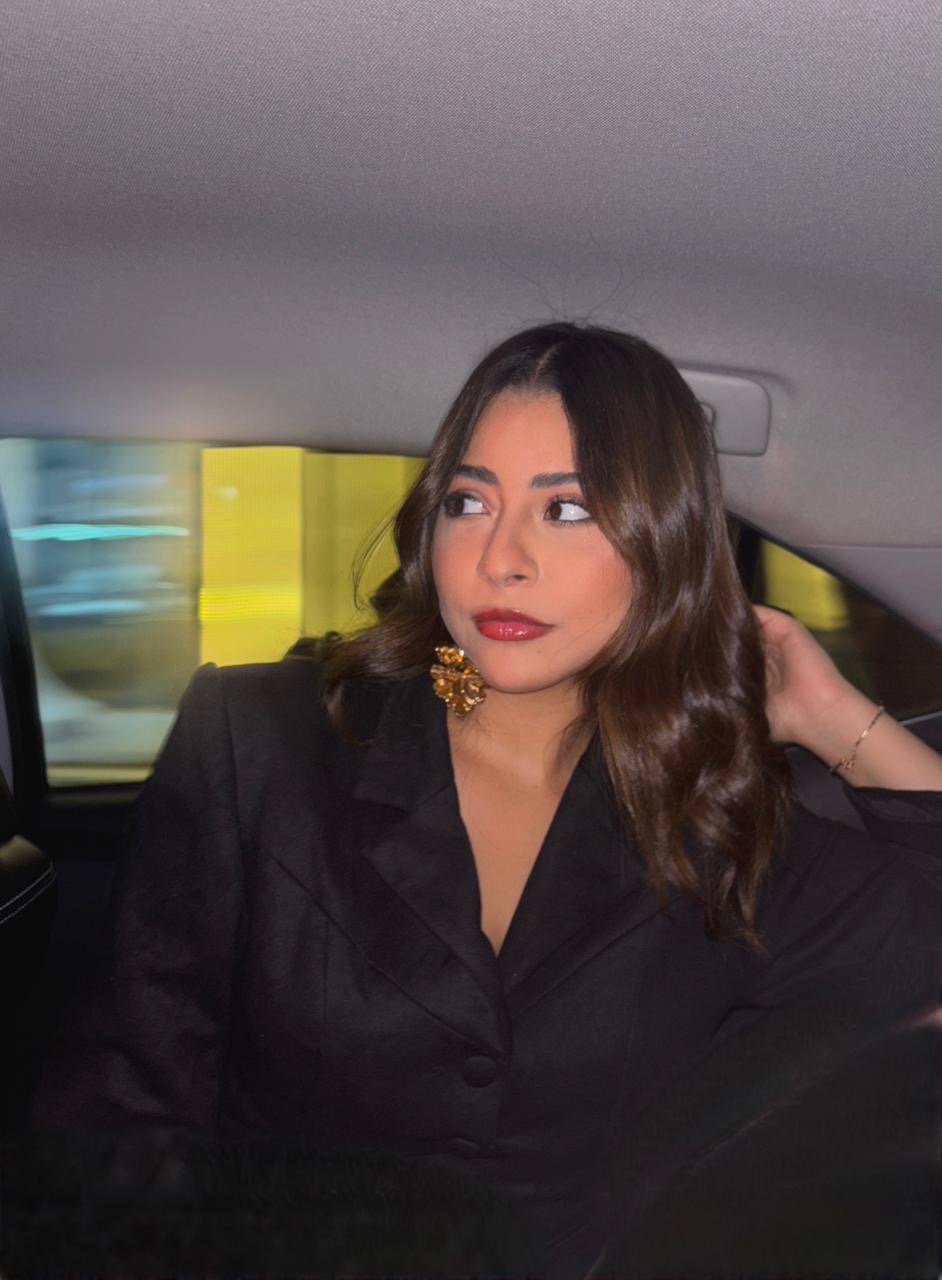
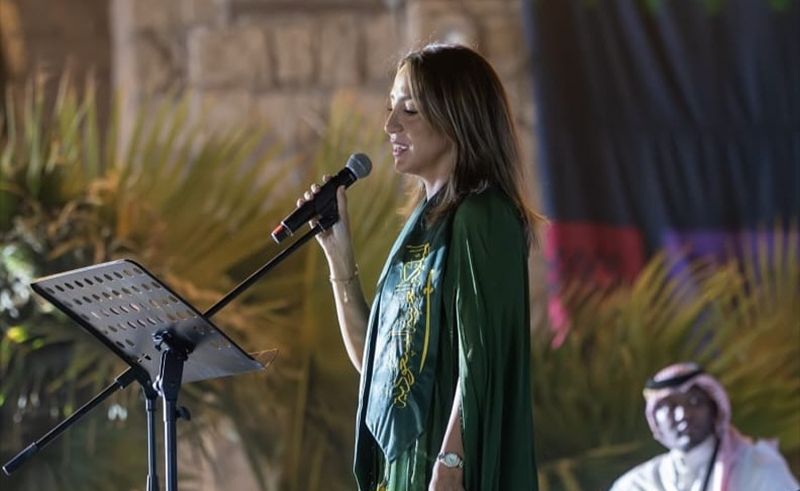
Sawsan Albahiti grew up in Jeddah filling her bedroom with the soaring cadences of Pavarotti and the guitar riffs of Metallica. She spent her twenties channelling that passion into a practice conducted largely in her own room. "It was a lot like a hobby," she says. "I would sing every once in a while, and use it as a get-away from the stresses of everyday life."
Albahiti is Saudi Arabia's first professional opera singer, a soprano in her mid-thirties who has performed at the Opéra national de Paris, shared a stage with Andrea Bocelli at AlUla's mirror-clad Maraya Theater, and sung the principal role in Zarqa Al Yamama, the Kingdom's first-ever grand opera, alongside mezzo-sopranos Thalie Knights and Dame Sarah Connolly. She has trained at the Giuseppe Verdi Conservatory in Milan and the Fabbrica Young Artist Program at the Teatro dell'Opera di Roma, both sponsored by the Saudi Music Commission.
Albahiti has founded The Soulful Voice, the first vocal coaching institute in the Kingdom and has helped establish the Saudi National Orchestra and Choir. She is, in short, a one-woman cultural institution and she became all of this only after spending years in unfulfilling marketing jobs. "I was feeling lost and disconnected," she tells SceneNowSaudi. "I didn't have a sense of purpose in the work I was doing back then."
The meaningful role, when it came, arrived through an elective course at the American University of Sharjah, where she had gone to study mass communications. A choir conductor noticed her voice, and the ceiling she had not known was there began to lift. The encounter with opera itself was decisive in a way that went beyond technique or ambition. "The passion of expression in opera is so captivating, and when I experienced it for the first time, it lit up my heart and soul," she says. "I felt I am expressing myself beyond the sung word. It changed the way I feel about singing forever."
Albahiti came back to Saudi Arabia with this knowledge and no way to act on it; there were no opera teachers, no institutions and no stages. It was only in 2018, when the Kingdom's cultural infrastructure began investing in arts and entertainment, that she saw the opening. "Timing is very important," she says. "I tried many times to push certain projects or tasks but because the timing is not right it never succeeded. At the same time, ability is crucial and it is a constantly developing skill. However, I never let it stop me or slow me down. I always work hard at becoming better so I maintain the level of performance I am aiming for."
The question of what it means to perform opera in Saudi Arabia — for a Saudi audience, on Saudi soil — is one of cultural challenge. Opera is an art form built in European languages, rooted in European drama, shaped by centuries of tradition that have nothing inherently to do with the Gulf. "I am always aware of this aspect in my performances, and I make sure I choose relevant and familiar tunes in my music," she says. "I also try to challenge songs from local culture into an opera style." When she performed the Saudi national anthem in operatic form to an audience of 3,000 at the King Fahad Cultural Centre in 2019 — the first Saudi woman ever to sing it publicly — Albahiti was taking something intimately known and rendering it through a form entirely new, asking the audience to feel both the familiarity and the transformation at once.
"At home I am introducing an art form to my people," Albahiti says. "But in other countries, I am introducing my people to them. Our culture, our talent and our capabilities." It is a double ambassadorship that places enormous pressure on a single figure and what the title of "first" actually costs. "The title of 'first' is usually celebrated for the achievement of something new and specially in our context it's also a bold title, not just new. But this title comes with a big responsibility because I am representing an art to a country and representing a country to the people of this art around the world."
The shortcomings she describes are concrete and pragmatic; music education in professional terms, acoustic infrastructure in performance halls; and, perhaps most importantly, a cadre of opera producers in Saudi Arabia who are capable of putting together opera in the proper way. "We still lack education at a professional level in music," she explains, "as well as proper acoustic setup for performance venues in Saudi Arabia. We need opera producers who could create such productions in the Kingdom and promote this wonderful type of art in our country." For her part, Albahiti doesn't want to merely remain a performer on stage. "My dream is to become one of the producers of operas in the Kingdom in the future," she explains, "and I would like to be involved in all types of productions, from creating theatres to opera houses and leading the producer's side of things in opera."
In the meantime, she is also working on a project blending operatic singing with rock music and guitar. "Until today, when I pick up my guitar and start playing the rock songs I used to play as a child, I feel like an original part of me shows up and I miss this part in my opera performance," she says.
- Previous Article SceneNoise x Amsterdam Dance Event Present CROSSFADE: Egypt
- Next Article Wittify’s AI Agents Run Customer Service in 25 Arabic Dialects
Related Articles
Trending This Week
-
-

-
 Sep 04, 2026
 -