






Zain Hesham on Quitting, Sacrifice & the Gold That Changed Everything
Egyptian champion Zain Hesham claimed three swimming gold medals at the Youth Olympics in Dakar, now he tells us what is next.

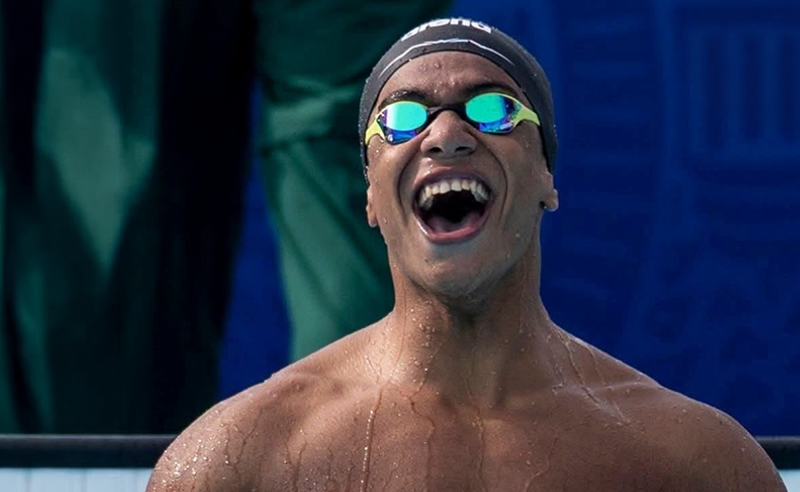
At 17, Zain Hesham Akram, a swimmer for Al Ahly and Egypt’s youth national team, has emerged as one of the brightest young talents in Egyptian swimming. At the Dakar 2026 Youth Olympics, he won gold in the 50m, 100m, and 200m butterfly, becoming the first Egyptian, and the first African, to achieve the feat in the history of the Games.
Hesham took up swimming at three and a half and has spent roughly 14 years in the pool, balancing relentless training with competition. The road has not been smooth. About a year and a half ago, the weight of the pressure nearly led him to walk away from the sport for good. With the support of his family and coaches, he worked through that difficult period and carried on.
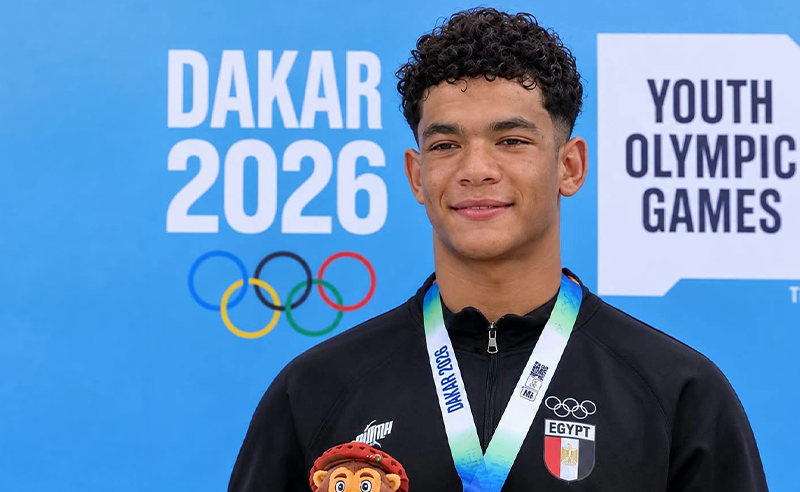 His story is also one of sacrifice: his family’s, and his own, as he trains twice a day despite his age. Dakar is not the limit of his ambition. He has his sights set on continuing to grow and competing at the Los Angeles 2028 Olympic Games.
In a conversation with SceneSports, Hesham reflects on the milestones and obstacles of his career, the role his mother has played in sustaining him, and the goals he is chasing next.
How did it feel to learn that you were the first Egyptian and African to win three golds at a single Youth Olympics?
 I’m certainly happy with what I’ve achieved, and I’m enjoying it, but there are still bigger goals I’m working toward. I have to keep my focus on what comes next.
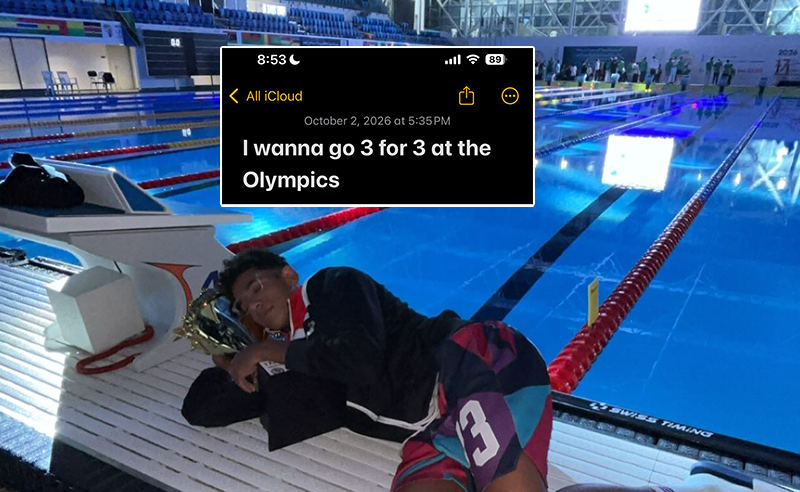
A month before the Games, on October 2, you wrote in your phone’s notes: “I wanna go 3 for 3 at the Olympics.” You went on to do exactly that. Did aiming for three golds, rather than settling for one medal, put too much pressure on you?
I didn’t feel any pressure when I wrote it, because I was confident I could deliver. If I hadn’t been sure, I wouldn’t have written it in the first place.
 You opened the tournament with the 100m butterfly, followed by the 50m and then the 200m, winning gold in all three. Which was the toughest?
The 200m was the most demanding physically, but the 100m was both the hardest and the most important. It was my first race of the tournament, and I needed to be at my best to carry that form into the 50m and 200m. It was the key to performing well in the two races that followed.
After the 50m butterfly, and even during the medal ceremony, your celebration seemed more subdued than in the other two events. Why?
I was disappointed because I missed the record by just fractions of a second. In every race I enter, I set a specific goal, and for me it’s never only about winning the gold medal.
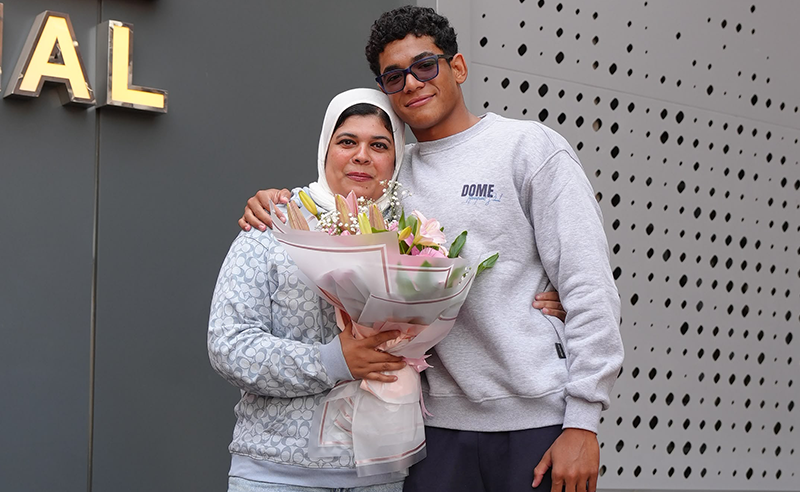
Your mother has been central to your journey, and to this achievement in particular. Can you tell us about her role and the sacrifices she has made to help you reach this point?
She has played an enormous role in my journey. I never felt pressure to make her happy, but it mattered deeply to me to make her proud of what I achieve.
How does preparing for international competitions differ from preparing for local ones?
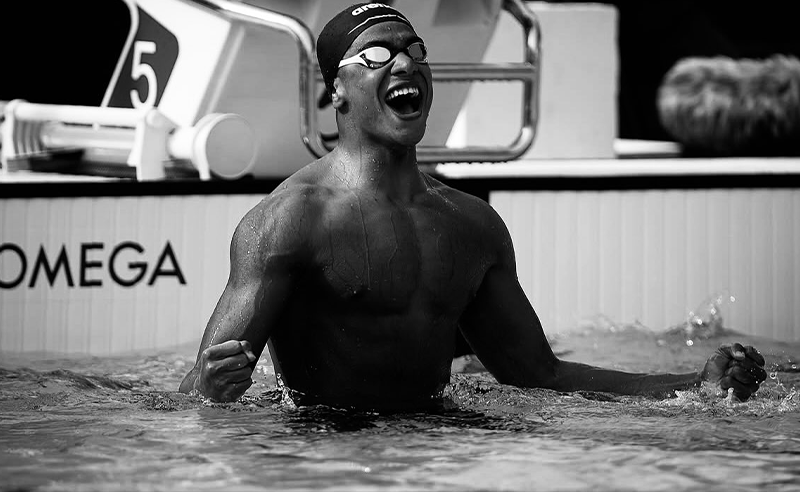 Every tournament has its own purpose. When I compete in Egypt, for example, I haven’t gone through a taper, so my aim is to try new races and gain experience that will help me make my mark in bigger events. International competitions are different.
Have other countries ever asked you to represent them?
Yes, more than one country approached me, and I turned them all down. Any success I achieved under another flag wouldn’t have felt as meaningful as this does. Representing Egypt and winning in its name means a great deal to me. Either way, I would have lost something if I hadn’t achieved this for my own country.
You were once on the verge of quitting swimming altogether. What happened, and what led you to consider it?
Honestly, I was exhausted and thinking about stopping, especially because we trained every morning at dawn, which weighed on me heavily at first. But I decided to commit and keep going. I began to see it as my job, like anyone who goes to work each day. You can’t stop just because you’re tired, because if you don’t work, you don’t earn what you need. I approached training with the same mindset.
You’re 17, an age when most people live very different lives. What are the biggest sacrifices you’ve made for your dream, and have you ever longed for a normal life away from training and competition?
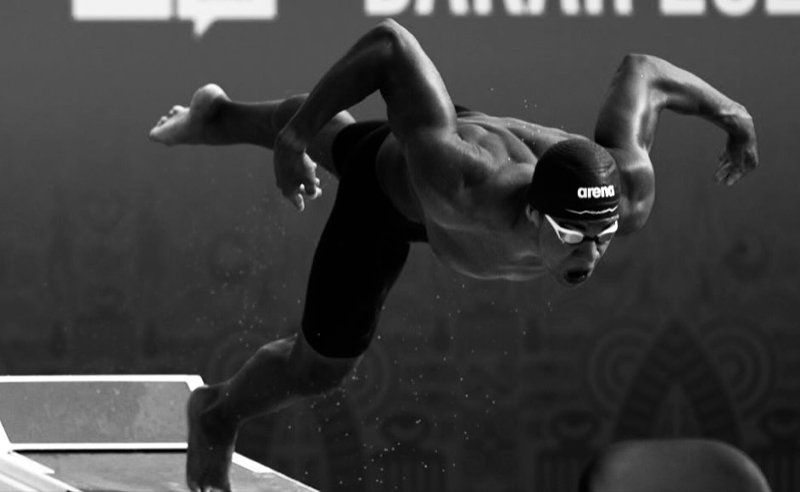 I’m putting in the work and feeling the strain now so that I can be happy later. I’m content with the effort and sacrifices I’m making, because I know they’ll bring me comfort and success down the line. That’s what keeps me going. If I didn’t put in this effort now, I’d be afraid and anxious about my future.
The World Championships in China are next, and this time you’ll be competing at the senior level. What are your goals?
I’ll gain a great deal of experience from it, especially as it’s my first World Championships and a valuable chance to face different levels of competition. So I’m not setting a medal or a particular finish as my main goal. I see it as an important learning experience, a chance to take in every detail as preparation for what’s ahead.
For all that Hesham accomplished in Dakar, he does not see it as the end of the road, but as a first step toward larger ambitions. He intends to use the World Championships in China, and the major tests that follow, to gain experience and test himself against the best swimmers in the world, moving beyond the junior and youth ranks and building the foundation for the next stage of his career.
- Previous Article Mortada Mansour Referred to Trial Over Defamation of Elham Shahin
- Next Article Yield Adds a Brownie-Topped Hot Chocolate to Its Menu
Related Articles
Trending This Week
-

-
 Nov 13, 2026
-
-