



Why Do Football’s Elite Stars Avoid Artificial Turfs?
From Salah to Abdelmonem, does artificial turf pose a risk to footballers, and how does it affect the ball and the environment?

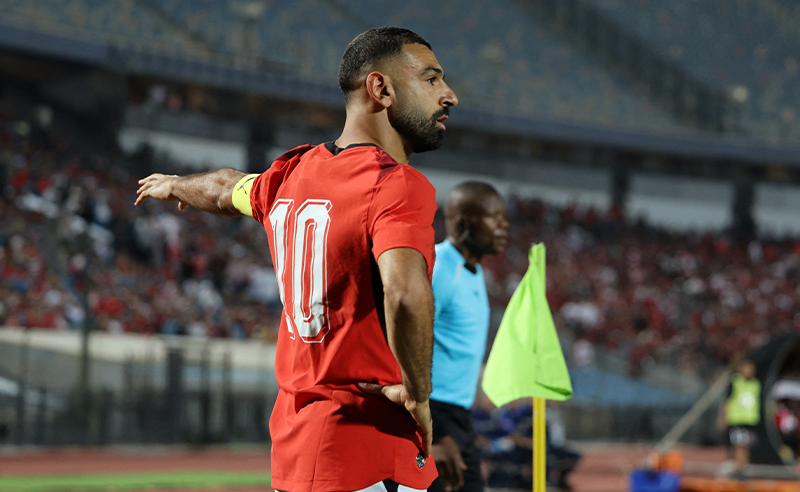
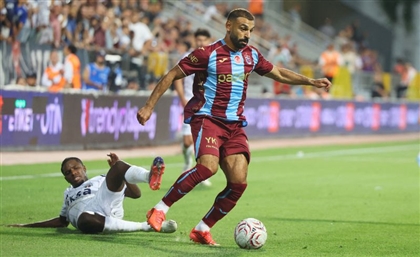
The decision by Egypt head coach Hossam Hassan to rest Mohamed Salah against South Sudan in the second round of the 2027 Africa Cup of Nations qualifiers was not simply a tactical one. The decision was linked to the match’s playing surface. Egypt team director Ibrahim Hassan also announced Mohamed Abdelmonem’s withdrawal from the trip, amid medical warnings against playing on artificial “tartan” turf, particularly after his previous ACL surgery.
The decisions have brought renewed attention to “tartan” pitches, which have become part of modern football but do not enjoy the same acceptance as natural grass, particularly at the professional level.
Amid concerns over injuries, differences in ball movement and the surface’s impact on playing styles, as well as questions surrounding the environmental impact of these pitches, one question remains: why do so many players and coaches prefer natural grass, and what are the actual risks associated with playing on “tartan”?
“Tartan” pitches tend to be harder than natural grass, which can increase the risk of players sustaining injuries.
Changes of direction can place greater strain on the knees and ankles because of the harder surface, while falls can result in more forceful and potentially harmful impacts.
Despite criticism from players and coaches who play and manage teams on these surfaces, a study published in the British Journal of Sports Medicine found no evidence of an increased injury risk on “tartan” compared with natural grass.
However, these pitches can lead to differences in the way the ball moves, typically making play slower because of increased friction.
Teams accustomed to playing on natural grass can see their style of play significantly affected when travelling to face a team that plays on “tartan”.
Some “tartan” pitches can also make the game too fast, while others can make it too slow. This can have a significant impact on football, as players do not get the same natural ball movement they would on grass.
“Tartan” pitches refer to artificial “grass” made up of plastic fibres stitched together, usually from polyethylene or polypropylene, and placed over a rubber base layer designed to absorb impact.
Sand or small rubber granules made from recycled tyres are added between the fibres to improve traction. However, these materials, have also raised concerns beyond their impact on the game.
In 2024, a report called for an end to the development of plastic pitches over concerns that some chemicals used in rubber granules could be carcinogenic. The European Commission has set 2031 as the target date for a ban on the use of rubber infill.
The environmental concerns do not end with the materials used on the pitch. Rubber granules can easily stick to players’ clothing and boots and often end up either in landfill after being disposed of with household waste or in waterways after being washed into drainage systems.
Large amounts of fossil fuels are also used to manufacture artificial pitches, given that they are made almost entirely from plastic. For football, the debate over “tartan” is therefore not just about how the surface feels under a player’s feet or how the ball moves across it - it's also about the wider impact of the pitches on the game and the environment.